
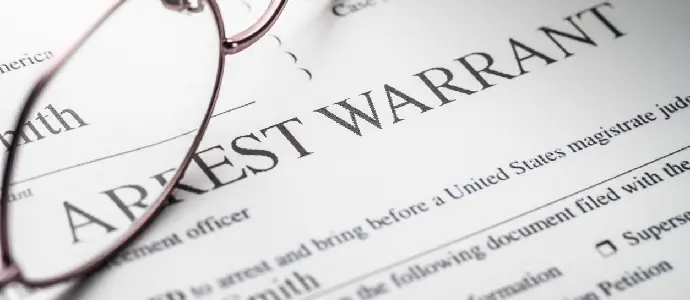
When facing the complexities of arrest warrants and bench warrants, having a knowledgeable and experienced criminal defense attorney on your side is crucial. Michael A. Arbeit, P.C., provides dedicated legal representation to navigate these challenging situations and protect your rights. If you have an arrest warrant or a bench warrant, call Michael A. Arbeit, P.C. today to schedule a FREE and confidential consultation.
What is a bench warrant?
A bench warrant is issued from the “bench” and is typically related to a person’s failure to comply with court procedures or orders, while an arrest warrant is issued when law enforcement has reason to believe a specific individual has committed a crime. Both warrants empower law enforcement to arrest individuals, but they are used in different legal contexts. The purpose and usage of a bench warrant versus an arrest warrant is as follows:
Bench Warrant
- Purpose: A bench warrant is typically issued by a judge when someone fails to appear in court for a scheduled hearing or violates a court order.
- Usage:
- When a person misses a court date, the judge may issue a bench warrant for their arrest to ensure they appear in court.
- Contempt of Court: Disruptive behavior or disrespect towards the court, can lead to a bench warrant.
- Probation Violations: Violating the terms of your probation, such as failing a drug test or not completing required programs, can result in a bench warrant.
- It is not issued for a new crime but rather for failing to comply with court procedures.
- Law enforcement can arrest the individual at any time when they encounter them to bring them before the court.
New York provides a 30-day grace period after a missed court date before a bench warrant will be issued. So, if someone has missed their court date, they can normally avoid a bench warrant and related charges if they appear within 30 days after missing the date.
But after 30 days, the bench warrant normally will be issued, and the person will probably be charged with jumping bail or failure to respond to an appearance ticket.

Arrest Warrant:
- Purpose: An arrest warrant is issued by a judge or magistrate when law enforcement has probable cause to believe that a specific individual has committed a crime.
- Usage:
- It authorizes law enforcement to arrest the person named in the warrant for the alleged crime.
- It is issued based on evidence or a sworn affidavit that provides sufficient reason to believe the person committed the crime.
- The individual can be arrested at any time and is usually taken into custody shortly after the warrant is issued.
Arrest warrants and bench warrants are primarily governed by the state’s Criminal Procedure Law (CPL). Below is a general overview of some relevant provisions:
Issuance and Form of Warrants
- Bench Warrants:
- CPL §530.70: Explains when a bench warrant can be issued. A bench warrant is typically issued when a defendant, who is required to appear before a court, fails to do so. This provision also discusses when a court can issue a bench warrant for a defendant out on bail or recognizance.
- CPL §530.80: Describes the procedure for executing a bench warrant, including where the defendant can be arrested.
- Arrest Warrants:
- CPL §120.20: Describes when a local criminal court can issue an arrest warrant. An arrest warrant can be issued based on the filing of an accusatory instrument (like a complaint, information, or indictment) charging the commission of an offense.
- CPL §120.30: Dictates the form of an arrest warrant, including the contents, name of the defendant, the offense charged, and the court issuing the warrant.
- CPL §120.80: Discusses the return of the warrant. After the warrant is executed, it needs to be returned to the court with a written report detailing the execution.
Keep in mind that laws and statutes can be changed, amended, or interpreted differently over time. Therefore, it is important to consult the current New York Criminal Procedure Law or seek guidance from an experienced attorney if you need specific advice or detailed information about these provisions.
New York & Long Island Arrest & Bench Warrant Attorney
Michael A. Arbeit, P.C., deeply understands arrest warrants and bench warrants and the potential consequences they carry. Our criminal defense attorney will diligently review your case, challenge the validity of the warrants, and work toward a resolution that best protects your interests. If you are facing the challenges of arrest warrants or bench warrants, don’t face them alone. Contact Michael A. Arbeit, P.C., an experienced criminal defense attorney who is here to guide you through the legal process and ensure that your rights are protected. Schedule a consultation today to discuss your case and explore your legal options.
Michael A. Arbeit, P.C. assists clients with arrest and bench warrants throughout Nassau County, Suffolk County, and New York City, including Queens, Brooklyn, Manhattan, Staten Island, and The Bronx.
FAQs
What happens if I get pulled over in New York with an active bench warrant?
If you are pulled over for a routine traffic violation (like speeding or a broken taillight) and the officer runs your name, the active bench warrant will appear in their system. Law enforcement is legally obligated to take you into custody immediately. Instead of receiving a ticket and being sent on your way, you will be arrested and brought before the court that issued the warrant. Having an experienced criminal defense attorney handle the warrant before a routine traffic stop turns into an immediate arrest is always the safest course of action.
Will a New York arrest warrant expire if I move out of state?
No. Arrest warrants and bench warrants issued in New York do not expire over time, and moving to another state will not make them go away. In fact, if the underlying charge is serious enough, New York authorities can request extradition, meaning you could be detained by local police in your new state and transported back to New York to face the court.
Can I clear a New York bench warrant without going to jail?
In many cases, yes, but it depends heavily on how the warrant is handled. If you wait for the police to find you, the chances of being held in jail are much higher. However, if you proactively retain a criminal defense lawyer, your attorney can coordinate with the court, arrange a voluntary return on the warrant, and present a strong argument to the judge as to why you should be released on your own recognizance or a reasonable bail rather than being detained.
What is the difference between the 30-day grace period for a bench warrant and jumping bail?
New York law generally provides a 30-day grace period after a missed court date before a bench warrant is formally executed or additional charges are filed. If you return to court within those 30 days, you can often resolve the stay of the warrant. However, if you fail to appear within 30 days of the missed date, the state can officially charge you with an entirely separate crime known as Bail Jumping, which carries its own severe legal penalties independent of your original case.